
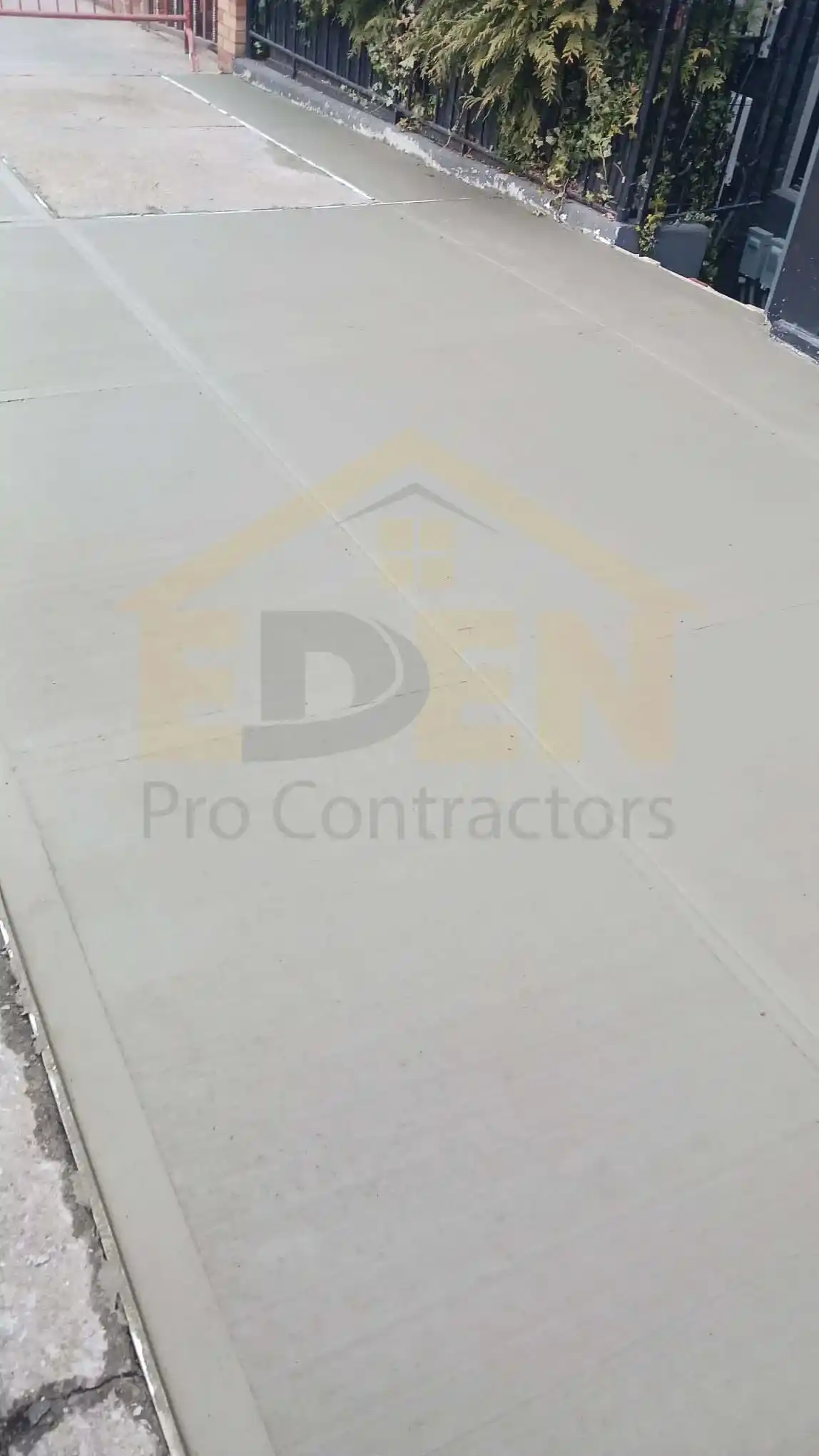
Can You Repair Concrete Sidewalks During Snow or Freezing Weather?
If you live in New York City, you already know winter doesn’t play nice. The freezing wind, the snowstorms, and the slushy sidewalks all show up right on schedule. And if your concrete sidewalk is cracked, sinking, or marked with a DOT violation, winter can make you wonder:
“Can I even fix this during snow or freezing temperatures?”
Well, the honest answer is not really, at least not the way you would during warmer months.
And NYC DOT has a whole official policy, the Winter Moratorium for Fiscal year 2025, that sets the rules straight.
So keep reading to learn more about this policy regarding sidewalk repairs during winters.
Why Winter Is a Tough Time for Concrete Repairs
Think of concrete like a loaf of bread. It needs the right temperature to “rise,” settle, cure, and harden. When the ground is freezing or covered in snow, concrete doesn’t behave nicely. It can
- freeze before curing
- crack again right after being poured
- weaken from the inside
- get damaged by plows and heavy winter equipment
So, while it is possible to dig, place plates, or prepare a site, the full, permanent sidewalk restoration is generally not allowed during winter, not because contractors don’t want to, but because NYC DOT doesn’t permit it.
What Does Winter Moratorium Really Mean?
Every winter, the NYC Department of Transportation sets a rule called the Winter Moratorium, and for this year, it runs from December 1, 2025, to March 31, 2026. During this period, DOT does not allow final sidewalk restoration.
If a sidewalk has been opened for work, you cannot complete the job by pouring new concrete until spring. This rule exists to protect the quality of the work and keep pedestrians and drivers safe.
What You Can Do in Winter
Even though your contractor can’t pour new concrete or finish the repair that is already in process, you are not completely stuck. The DOT still allows you to prepare the site and keep it safe. First, any open sidewalk area must be covered with steel plates. These plates must be skid-resistant, meaning people won’t slip on them, and they must be countersunk, which means they should sit level with the rest of the sidewalk. This helps prevent tripping hazards during snow and ice.
You also need to keep your repair permits active. DOT requires a 1905 temporary plate permit for anyone using steel plates during winter. Without it, even having a plate on the ground can become a violation. If your regular permit expires before you complete the repair, DOT will not issue a ticket. Instead, they will send a Corrective Action Request (CAR), which is basically a reminder to finish the work when weather allows.
What You Cannot Do During Winter
During the Winter Moratorium, there are clear limits. You cannot pour final concrete or remove plates until the weather improves. Even if it seems warm for a few days, the rule still applies. The concrete might still freeze later, so DOT does not make exceptions for brief warm spells.
You also must follow all safety signage rules. Signs like “Plates Ahead” or “Raise Plow” must be placed near the plates, and they must include your 5-digit permittee ID number. These signs help drivers and pedestrians stay alert, especially when snow covers the ground.
What Happens If You Can’t Countersink the Plate?
Sometimes, the ground conditions make it impossible to lower the plate so it sits level with the sidewalk. This might happen due to underground utilities, tree roots, or the shape of the opening. If that happens, DOT requires clear photos of the problem, the exact permit number, and the correct address. Your request goes to specific DOT officials who will inspect the location and tell you what to do next. They review every request, but approval is not guaranteed.
So Can You Go For Repairs in Winter?
The short answer is you can prepare, but you cannot complete the repair. Because NYC wants sidewalks to last years, not crack within hours. So they pause final restoration until temperatures stay stable enough for concrete to cure properly. Winter is the holding period. You can keep the area safe, maintain your permits, and protect the site with plates.
If you already have a violation or know your sidewalk needs work, the smartest move is to schedule your restoration before winter ends by hiring a licensed and insured contractor like Eden Pro Contractor. Planning ahead can help you get your sidewalk fixed much sooner.
In the meantime, we will handle all aspects of sidewalk maintenance, including DOT permits and safety precautions like installing plates and proper signage during the winter. Once spring arrives and the temperatures stay above freezing, we will return to finish the job properly.
Conclusion
Winter may pause sidewalk repairs, but it doesn’t stop progress. By understanding and following the Winter Moratorium, you can keep your property safe, avoid violations, and ensure your final repair is strong, durable, and long-lasting.When you plan ahead and work with trusted local contractors before winter hits, you set yourself up for a smooth and fast spring restoration.
If your sidewalk needs attention, don’t wait for the rush, reach out to us today and get your inspection or repair scheduled so you’re first in line when the weather warms up.